Teddy Sofa Covers Transform & Protect Your Couch Instantly
Is your beloved sofa looking a little tired? Maybe the upholstery has seen better days, or perhaps you just want to inject a fresh, cozy vibe into your living room without the hefty price tag of buying new furniture. Enter the game-changer Teddy Sofa Covers.
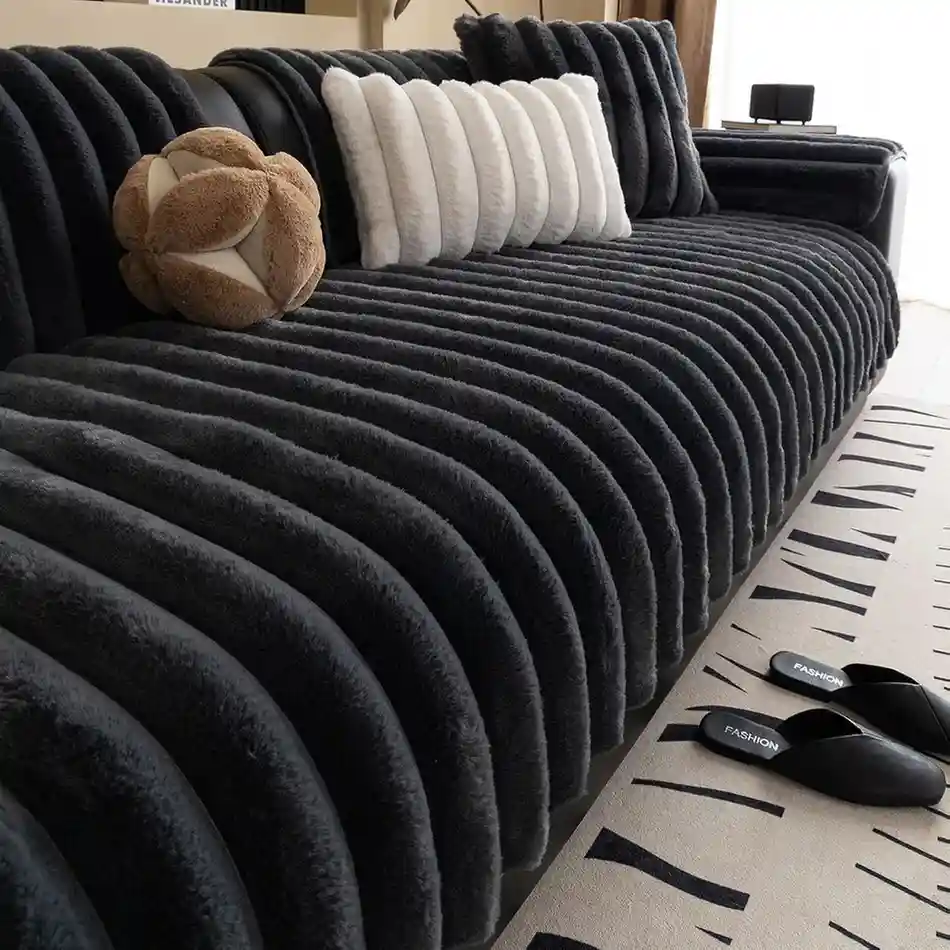
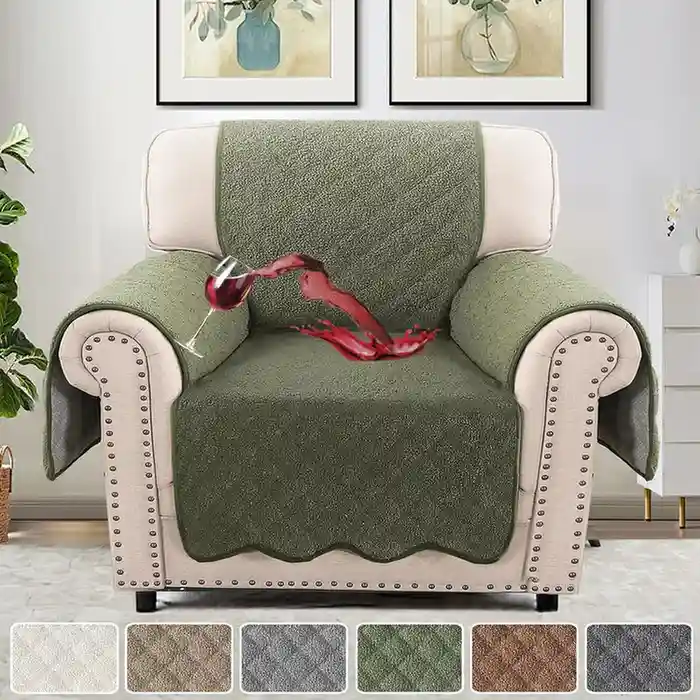
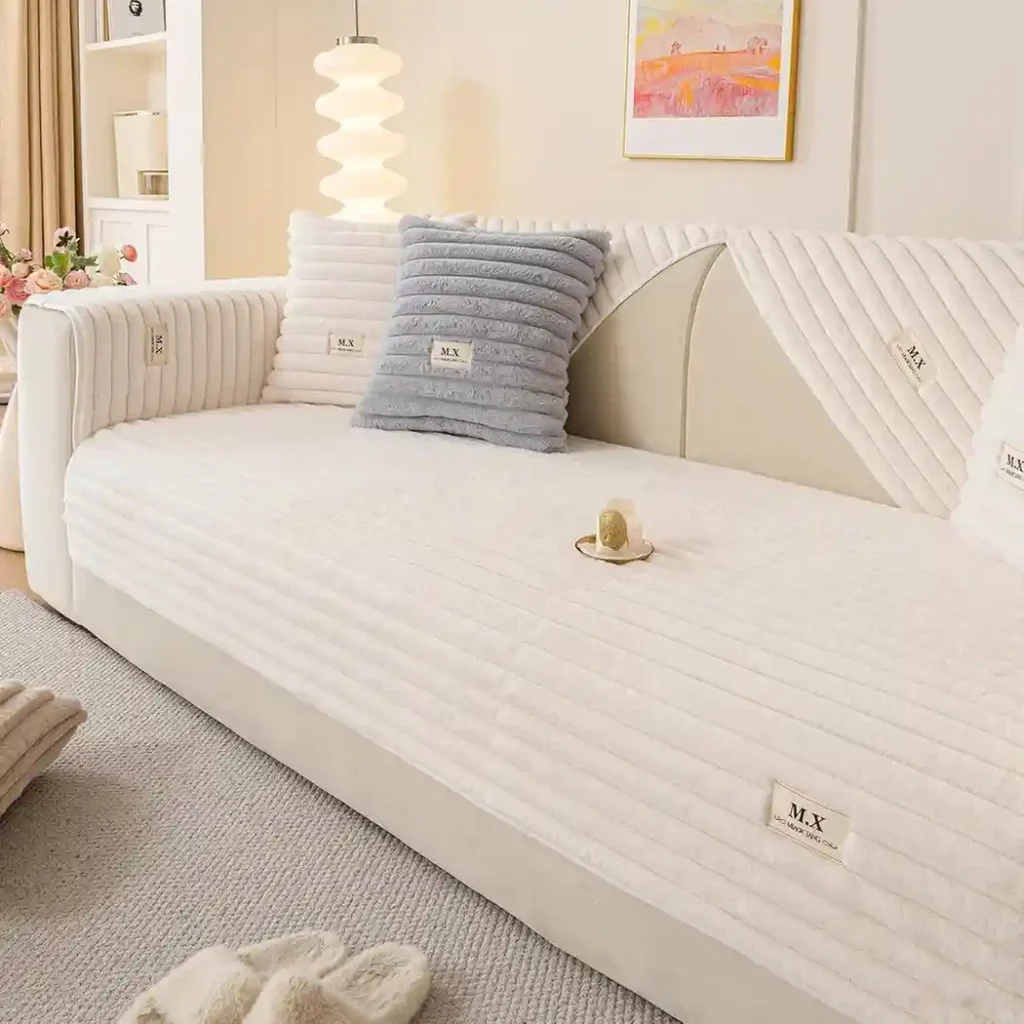
These plush, textured slipcovers are taking the interior design world by storm. They offer an instant makeover that combines the trendy aesthetic of “bouclé” or shearling with the practicality of a removable, washable layer. Whether you want to protect a brand-new couch from pets or hide stains on an old favorite, a teddy sofa cover is the ultimate solution.
In this comprehensive guide, we will explore everything you need to know about teddy sofa covers. From the undeniable benefits to styling secrets and buying advice, we’ll help you decide if this cozy upgrade is right for your home.


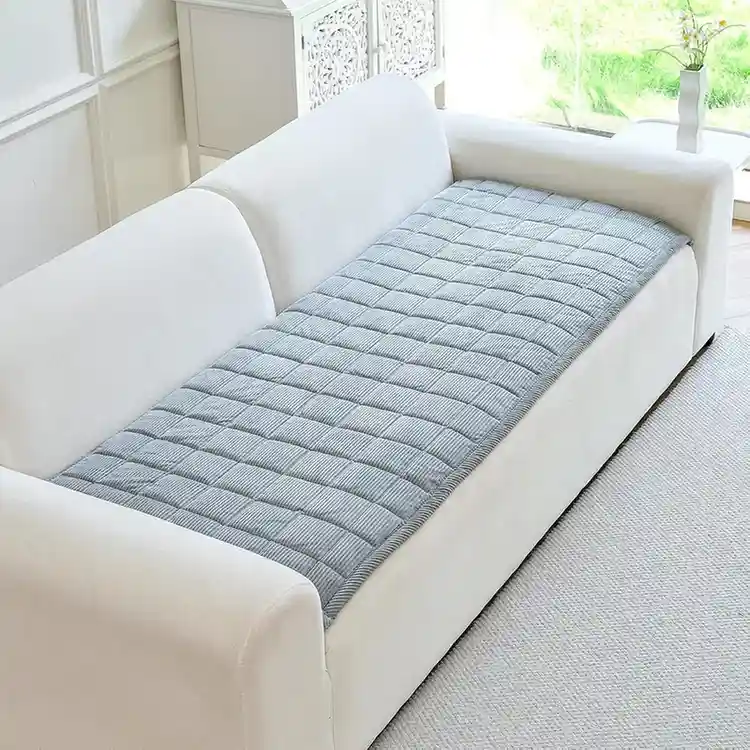
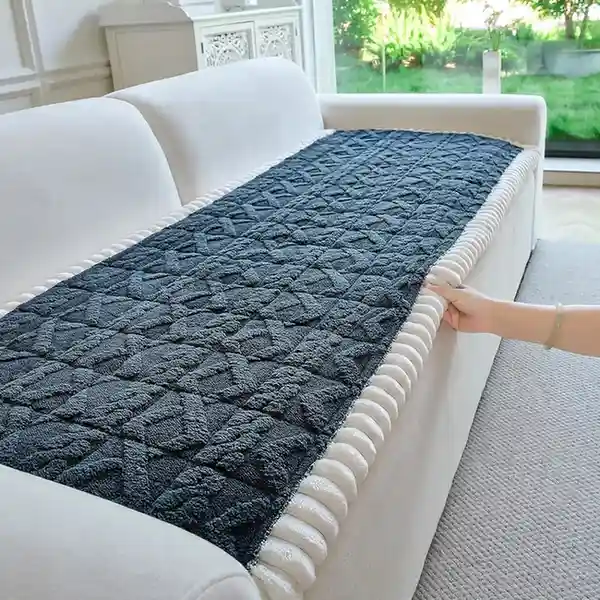
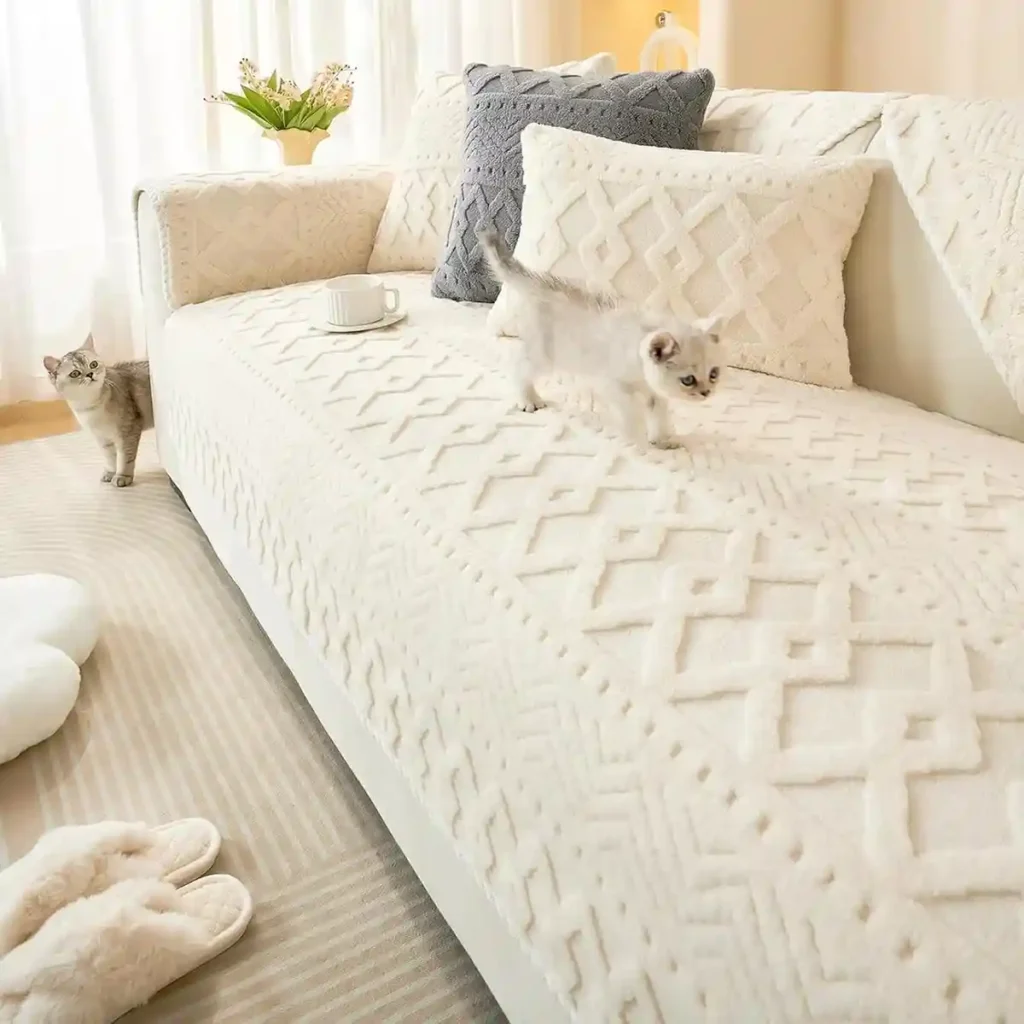


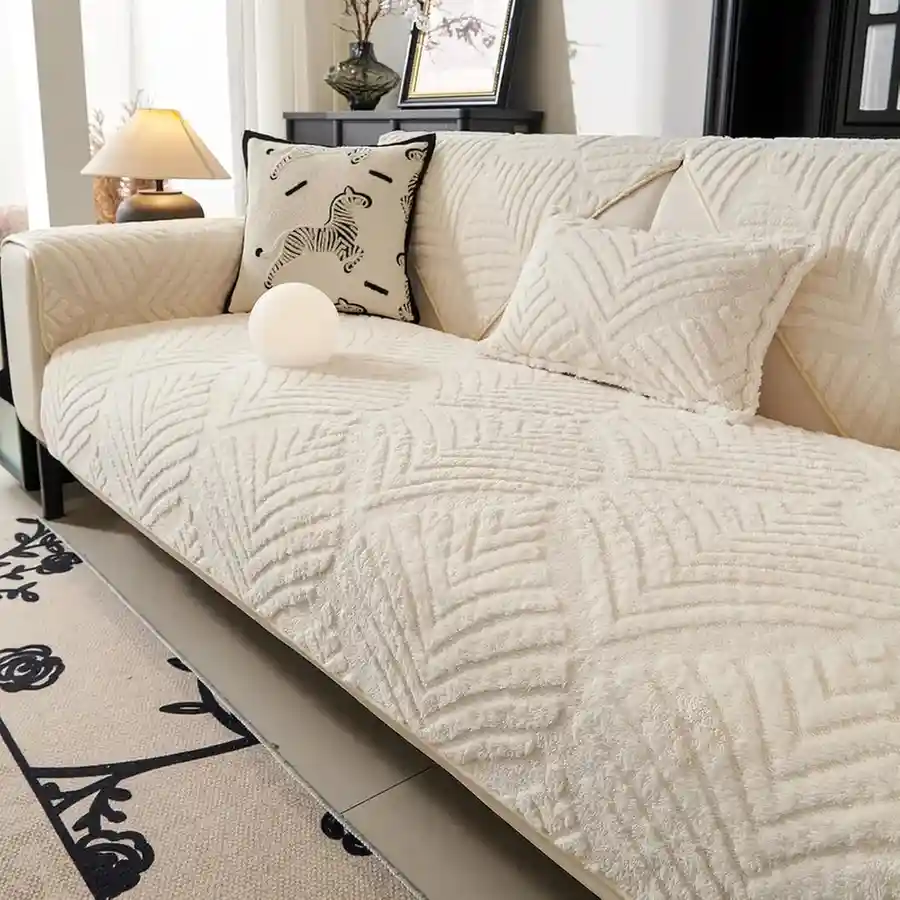
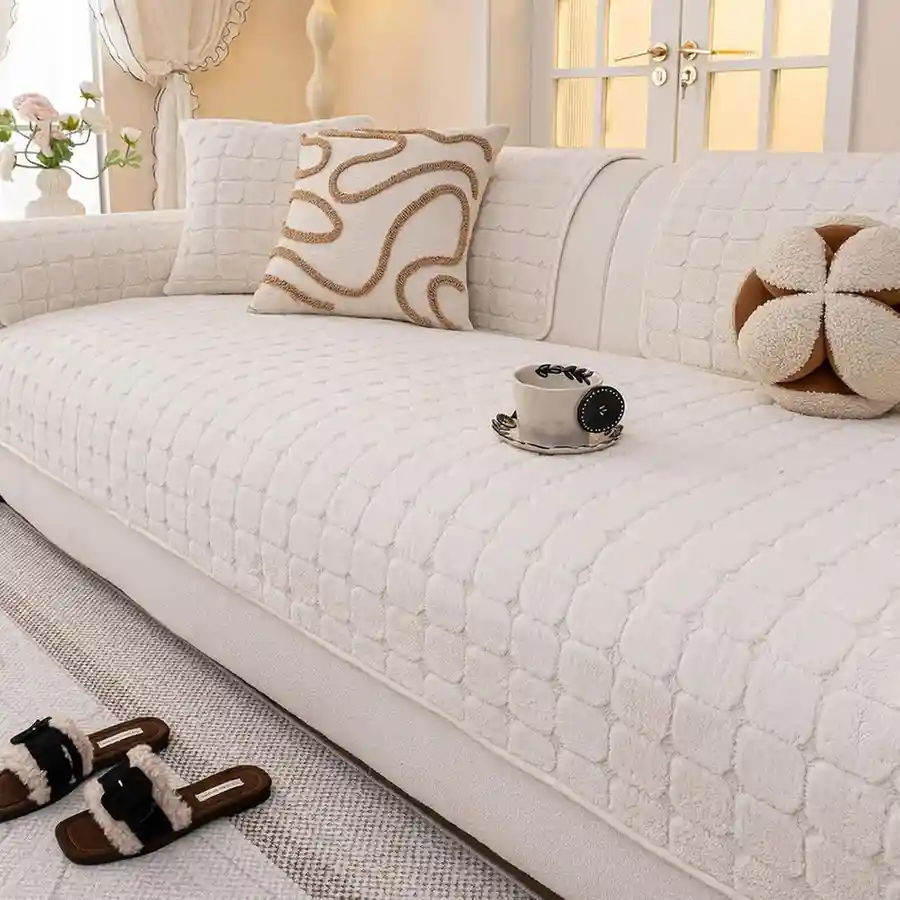
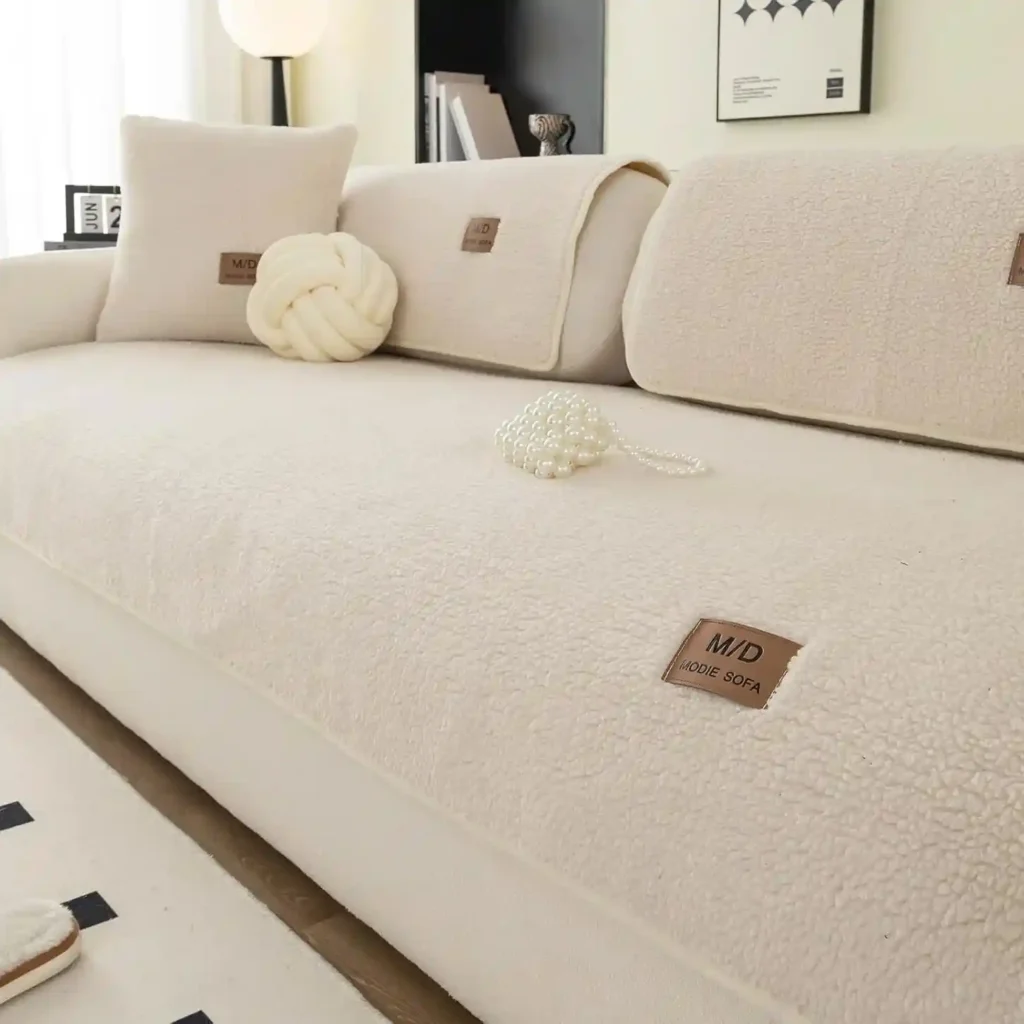
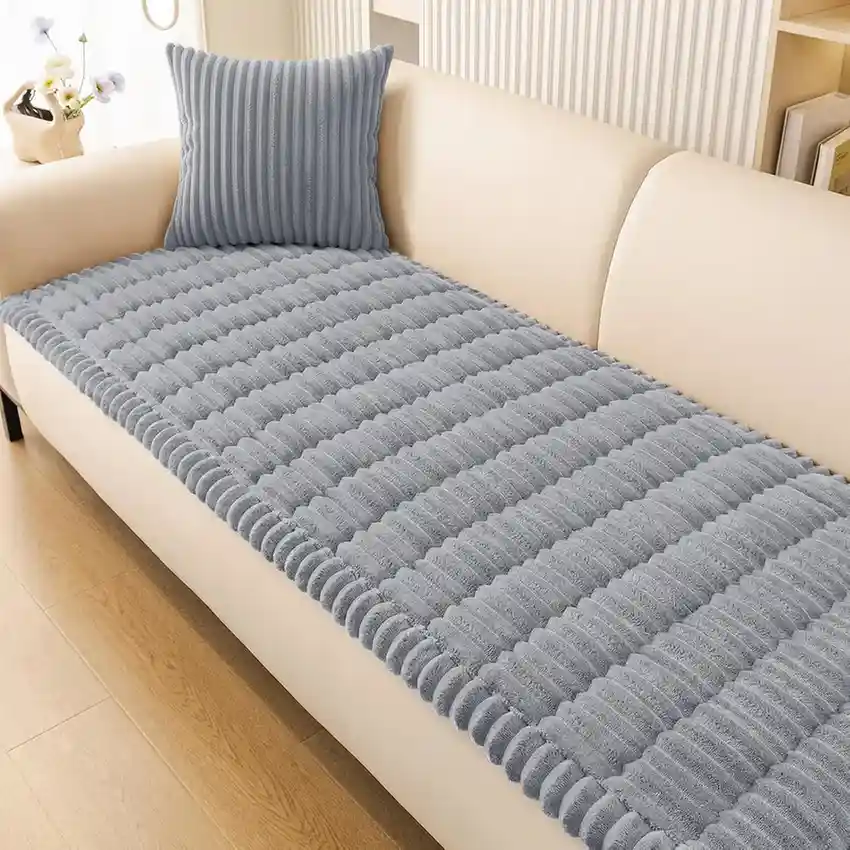
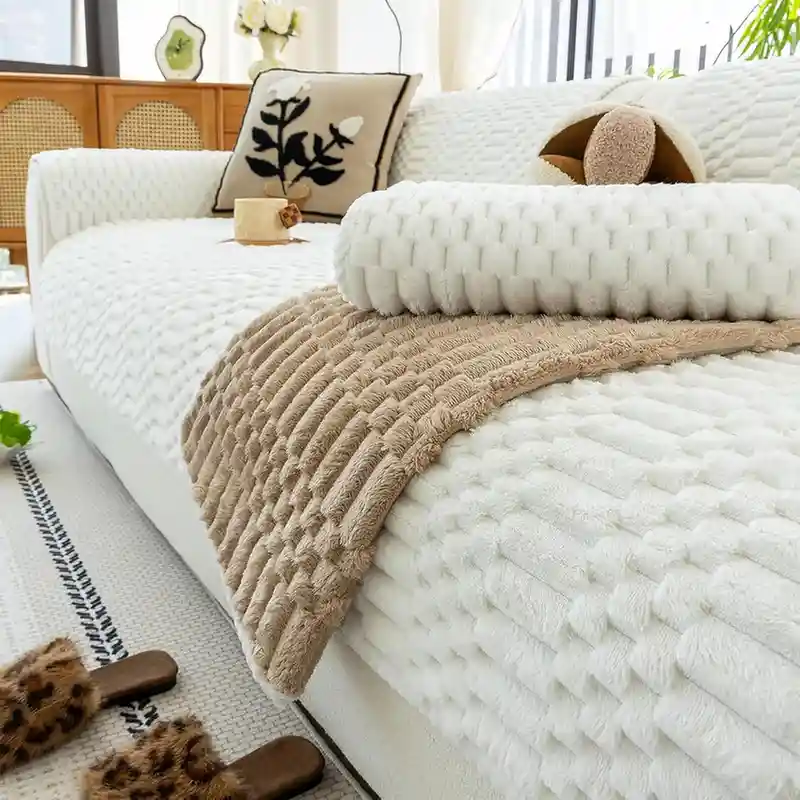

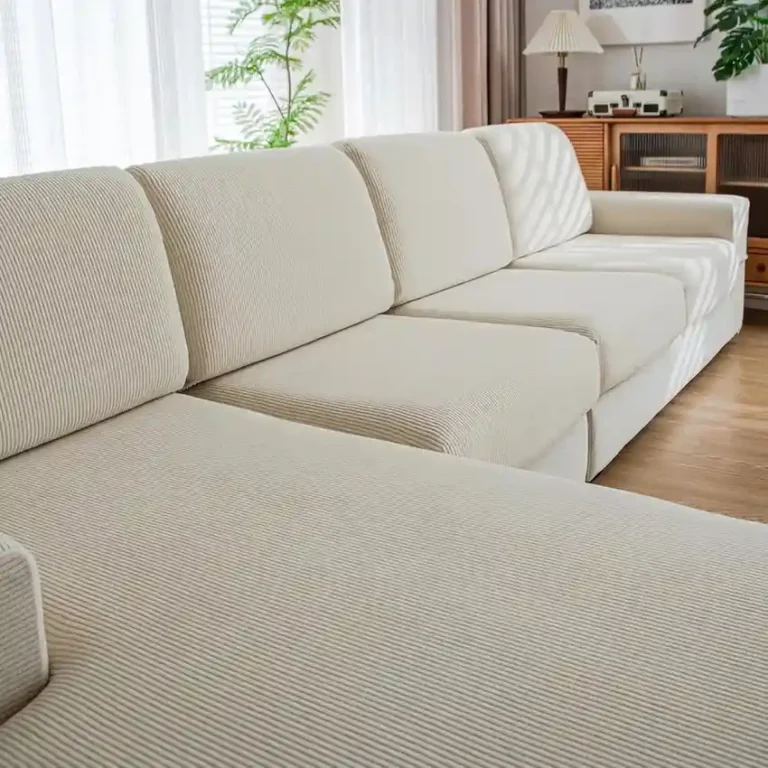
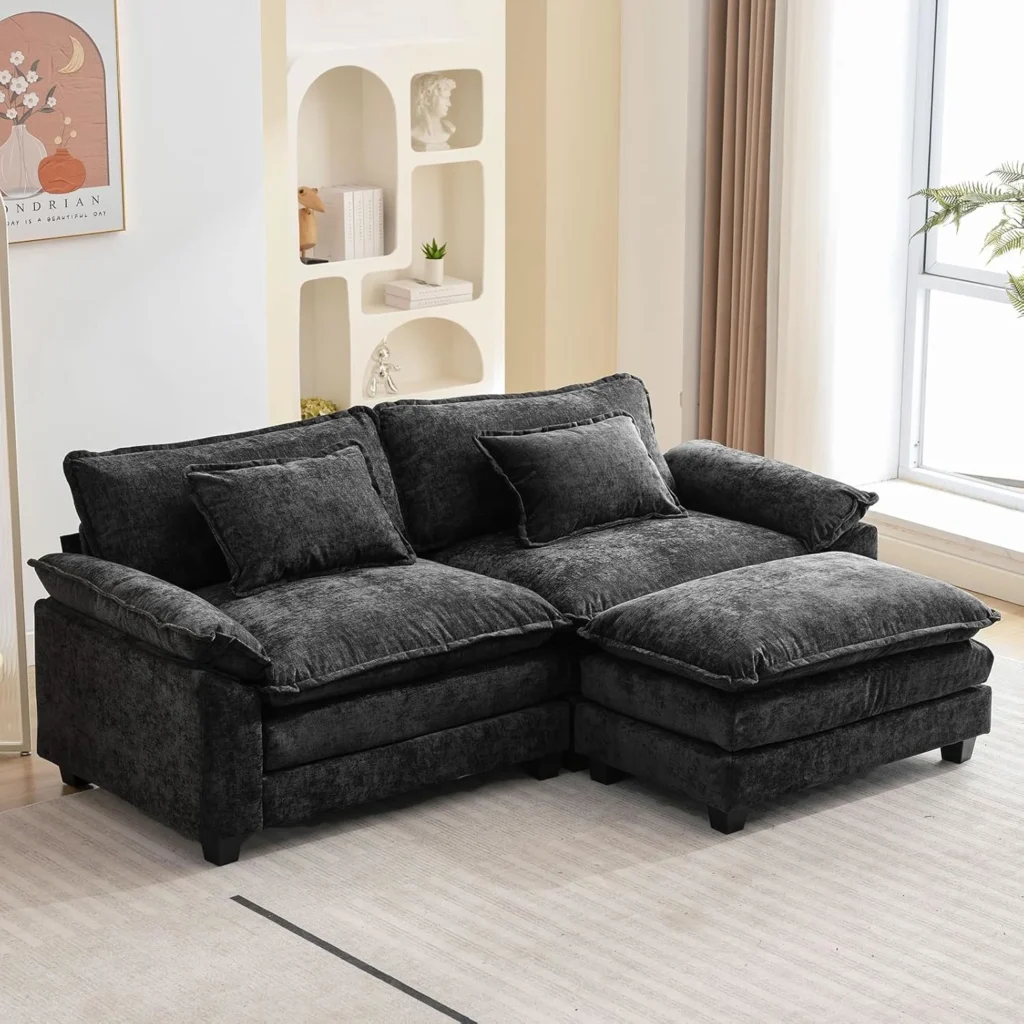
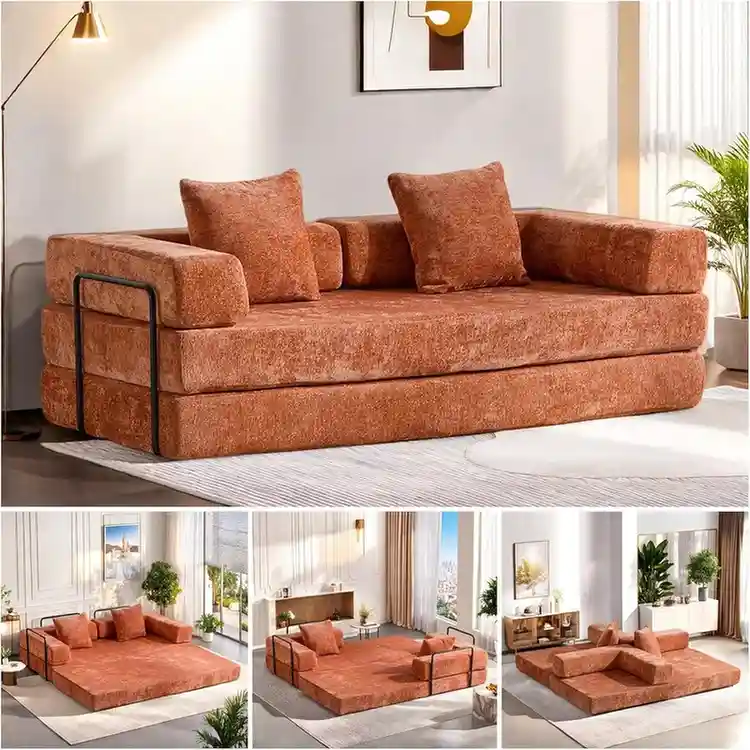
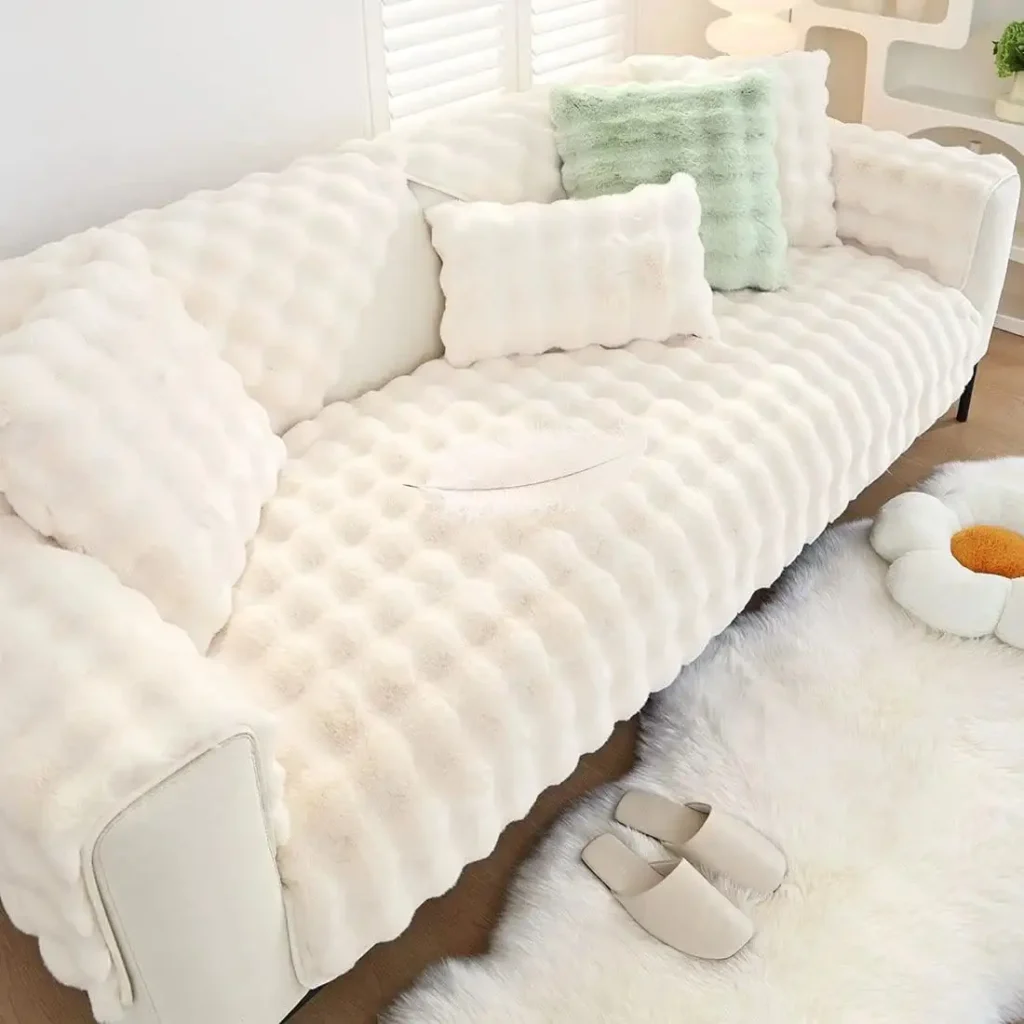
Why Choose a Teddy Sofa Cover?
You might be wondering, “Why specifically a teddy cover?” There are endless slipcover options out there, from cotton to velvet. However, the teddy texture brings a unique set of advantages that go beyond simple protection.
1. Instant “Hygge” Factor
The concept of “Hygge” (pronounced hoo-ga) is a Danish term defining a quality of coziness and comfortable conviviality. Teddy fabric, with its soft, sheepskin-like texture, is the physical embodiment of this concept. Adding this texture to your sofa instantly warms up the room, making it feel inviting and safe. It turns a cold leather couch or a stiff fabric sofa into a cloud-like sanctuary.
2. Superior Comfort
Standard sofa fabrics can sometimes feel rough or cool to the touch. Teddy covers are designed for tactile pleasure. The high-pile fabric is incredibly soft against the skin, making movie marathons or afternoon naps significantly more comfortable. It adds a layer of padding that can make even an older, firmer sofa feel plush again.
3. Hiding Imperfections
Smooth fabrics like spandex or thin cotton often show the texture of the sofa underneath. If your current couch has cat scratches, lumpy cushions, or dark stains, thin covers won’t hide them well. The thick, nubby texture of teddy fabric is excellent at camouflaging underlying issues. It smooths out lumps and completely obscures stains or patterns underneath.
4. Pet-Friendly Durability
Contrary to what you might think, teddy covers are great for pets. The synthetic fibers are usually durable, and the texture doesn’t attract pet hair as stubbornly as velvet or microfiber. Plus, because they are removable, you can simply unzip or unhook the cover and throw it in the wash when muddy paws make an appearance.
The Materials What Makes it “Teddy”?
Not all fluffy covers are created equal. Understanding the material composition will help you choose a cover that lasts.
Faux Shearling (Polyester Blends)
Most teddy covers on the market are made from high-quality polyester blends designed to mimic the look and feel of sheepskin.
- Pros: Highly durable, machine washable, hypoallergenic, and affordable.
- Cons: Can generate static electricity in very dry climates.
Bouclé-Style Weaves
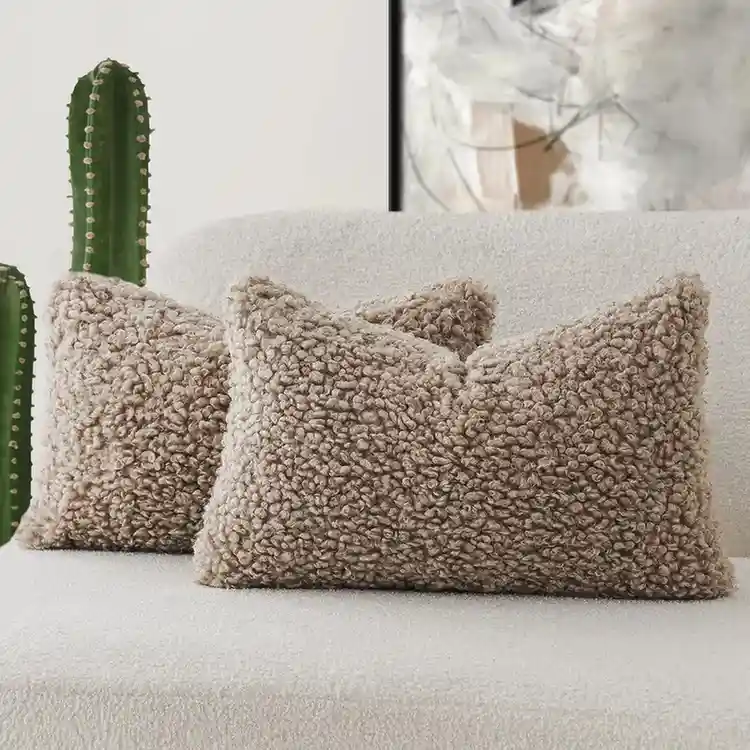
Some covers are marketed as “teddy” but feature a tighter, looped bouclé weave. This is less “hairy” and more textured.
- Pros: Looks more sophisticated and modern; less likely to mat down over time.
- Cons: Slightly less soft to the touch than the faux shearling variety.
Spandex Blends (The Stretch Factor)
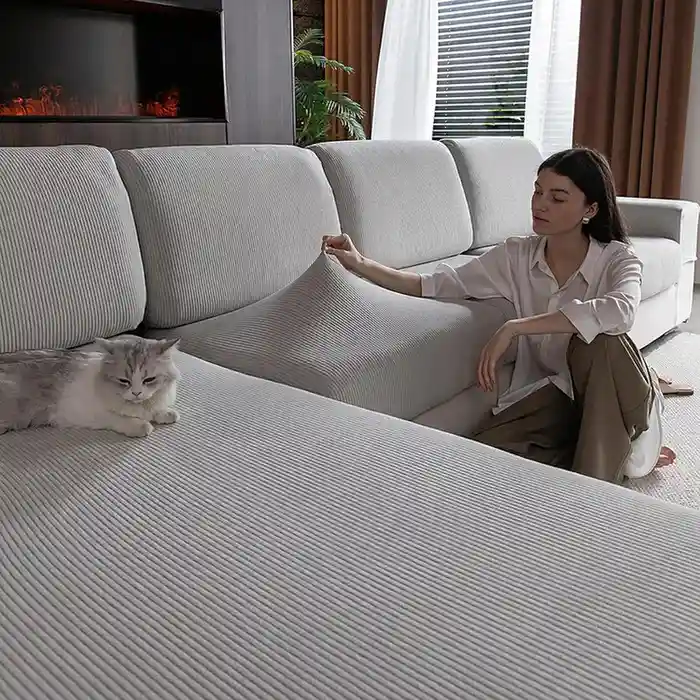
To ensure the cover fits a wide variety of sofa shapes, the teddy fabric is often blended with spandex or elastane.
- Why it matters: A cover with 5-15% spandex will contour to the arms and back of your sofa much better than a rigid fabric, giving a custom-upholstered look rather than a baggy “sheet thrown over a couch” look.
Styling Your Teddy Sofa Cover
Once you’ve installed your new cover, how do you style the rest of the room to match? The teddy texture is a statement, so you want to balance it correctly.
Contrast is Key
Because the teddy fabric is so textured and “busy,” you want to pair it with smoother elements.
- Pillows: Avoid using teddy pillows on a teddy sofa—it’s too much fluff. Instead, opt for smooth velvet, linen, or leather cushions to create visual interest.
- Throws: A lightweight cotton or knitted throw in a contrasting color works beautifully.
Color Palette Choices
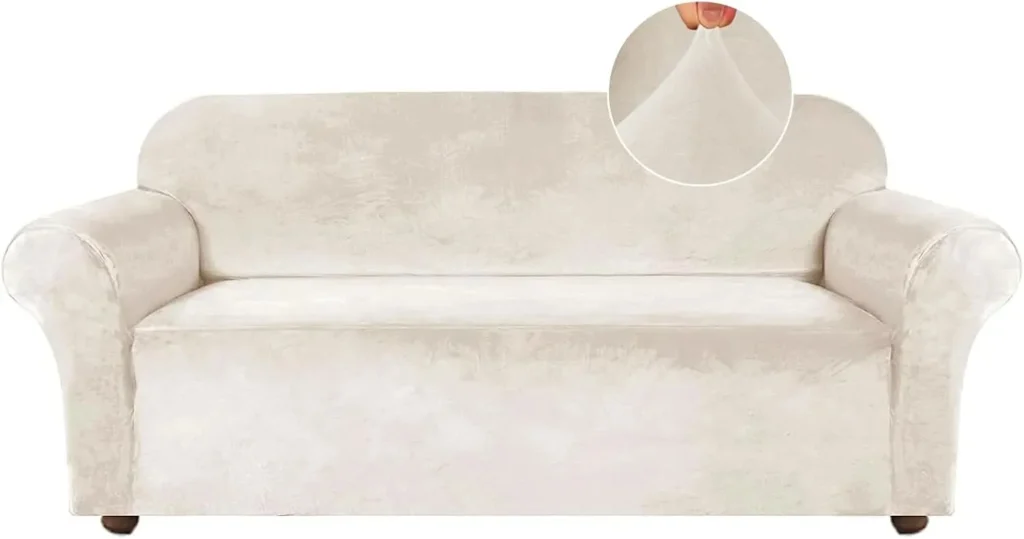
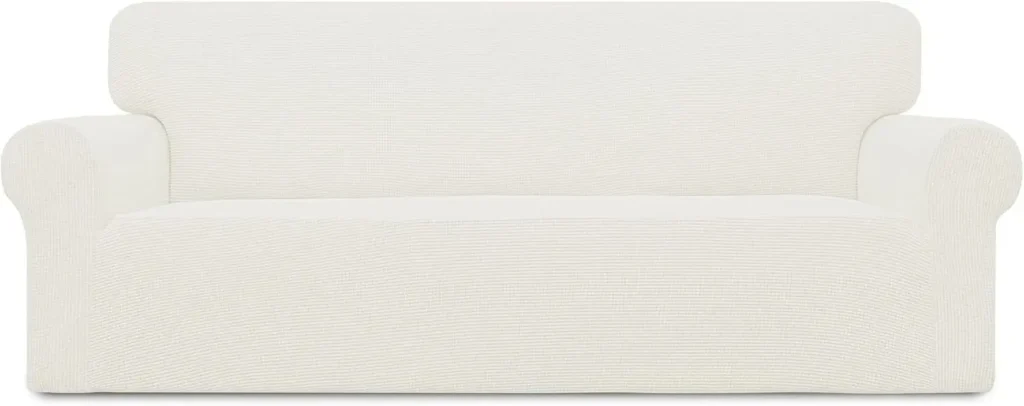
- Cream/White: The classic choice. It looks like a cloud and fits perfectly in Scandi, Japandi, or Minimalist interiors. However, be mindful of high-traffic households.
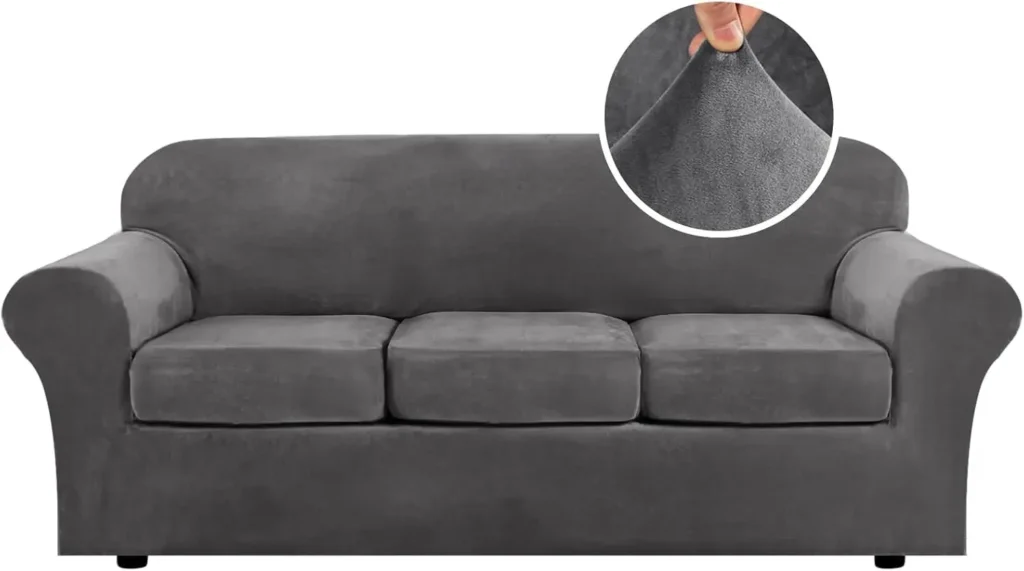
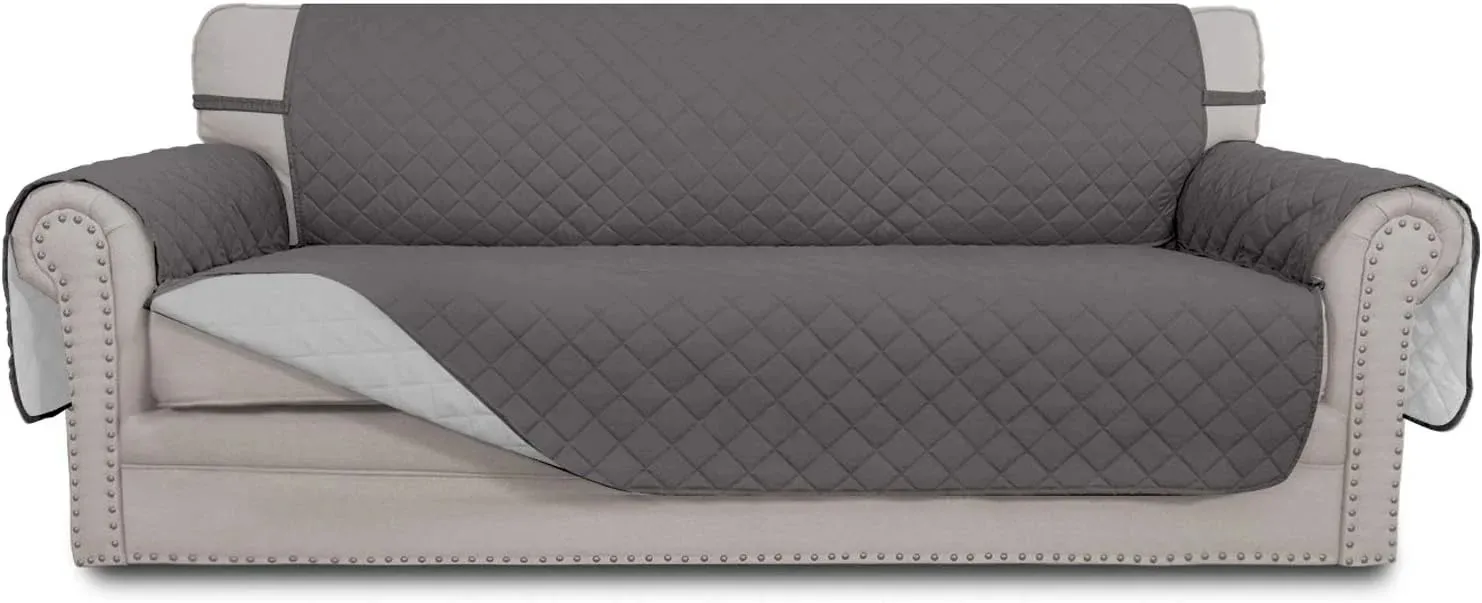
- Grey/Charcoal: A practical choice for families. It hides dirt well and adds a modern, industrial touch while still being cozy.
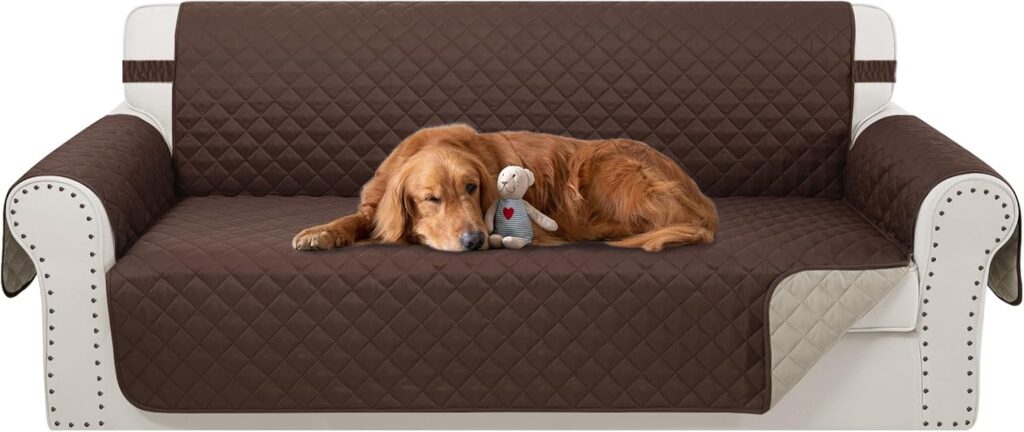
- Warm Earth Tones: Rust, camel, or brown teddy covers are trending. They bring a 70s retro vibe that is very popular in contemporary design.
Lighting
Texture loves light. Ensure your sofa is well-lit to highlight the nubs and softness of the fabric. Warm, ambient lighting from floor lamps will cast small shadows in the fabric’s pile, emphasizing its depth and coziness.
Types of Teddy Sofa Covers
Before you buy, you need to identify which type of cover suits your specific furniture.
1. One-Piece Stretch Covers
These are like a giant fitted sheet for your sofa. They cover the entire piece back, arms, and seat in one go.
- Best for: Standard boxy sofas with removable cushions (you can tuck the excess fabric behind the cushions) or fixed-cushion sofas.
- Installation: Requires some tucking and often comes with foam rollers to keep the fabric in place.
2. Multi-Piece Covers (Separate Cushion Covers)
This is the premium option. You get one cover for the main frame (back and arms) and separate zippered covers for each seat cushion.
- Best for: Sofas with removable square or rectangular seat cushions.
- Why buy this: It looks the most like real upholstery. Because the cushions are wrapped individually, you don’t have to worry about the cover untucking every time someone sits down.
3. Sectional/L-Shape Covers
These are designed specifically for sofas with a chaise lounge.
- Crucial Check: You must determine if your sectional is “Left Facing” or “Right Facing” (standing in front of it looking at the sofa). Many covers are reversible, but some are specific. Usually, you will need to buy two separate covers: one for the main sofa section and one for the chaise section.
4. Throw Style Protectors
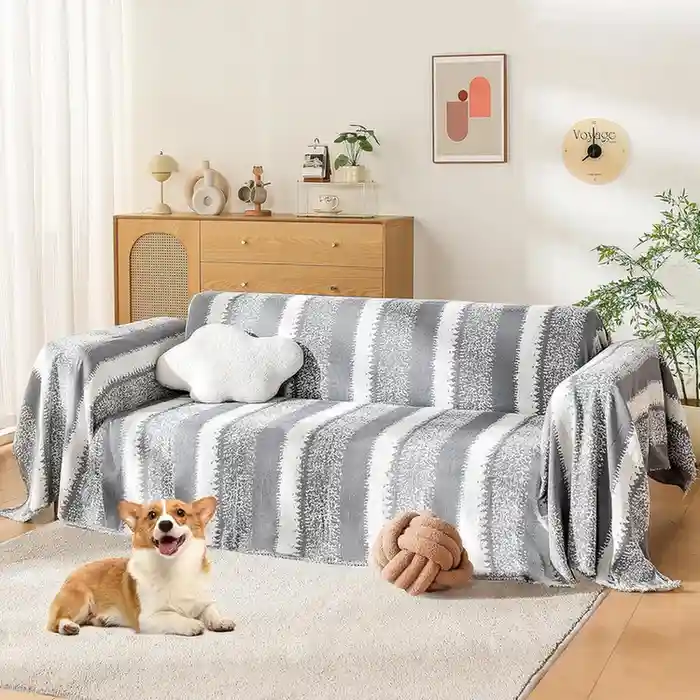
If you don’t want to fully wrap your sofa, you can get a teddy “protector.” This is a piece of fabric that drapes over the seat, back, and arms but doesn’t stretch or tuck underneath.
- Best for: Easy removal (e.g., putting it on only when the dog is on the couch).
Installation Guide: Getting the Perfect Fit
The biggest complaint people have with slipcovers is a poor fit. Here is how to avoid the “baggy” look.
Step 1: Measure Correctly
Do not guess. Measure the width of your sofa from the outer edge of one arm to the outer edge of the other arm.
- Small (Chair): 32-48 inches
- Medium (Loveseat): 58-72 inches
- Large (Sofa): 72-96 inches
- X-Large (Oversized): 96-116 inches
Step 2: The Tuck is Everything
When installing, push the excess fabric deep into the crevices between the seat and the back/arms.
- Pro Tip: If the foam noodles provided with the cover keep popping out, use something heavier. Tightly rolled magazines secured with rubber bands, or even dedicated “tuck grips” made of PVC, hold much better.
Step 3: Secure the Bottom
Most quality covers have elastic straps or ties at the bottom. Flip the sofa (if possible) or tilt it back to tie these securely. This prevents the cover from riding up.
Maintenance and Care
One of the main selling points of teddy covers is washability, but you need to wash them correctly to keep them fluffy.
- Wash Cold: Heat is the enemy of synthetic teddy fibers. It can “melt” the tips of the fibers, making them feel rough and scratchy. Always wash on a cold, gentle cycle.
- Skip the Softener: Fabric softener can coat the fibers and actually make them attract more dirt over time. It can also reduce the fluffiness. Use a mild detergent instead.
- Air Dry or Low Heat: Ideally, hang the cover to dry. If you must use a dryer, use the “Air Fluff” or lowest heat setting. High heat in the dryer is the fastest way to ruin the texture.
- Brushing: If the high-friction areas (where you sit) start to look a little matted, use a stiff bristle brush (like a pet slicker brush) to gently fluff the fibers back up.
Buying Guide: What to Look For
Ready to buy? Keep these final checklist items in mind to ensure you get a high-quality product.
- GSM (Grams per Square Meter): This measures fabric density. A higher GSM means a thicker, more durable cover. Look for covers that mention “high density” or have a weight of at least 200 GSM. Thin covers will stretch out and become see-through.
- Elastic Quality: Look for reinforced elastic hems. Cheap covers rely on thin elastic bands that snap easily.
- Return Policy: Because fit can be tricky with slipcovers, always buy from a retailer with a solid return policy. You need to be able to try it on your specific sofa shape.
- Customer Photos: Ignore the studio photos. Look at user reviews to see what the cover looks like on real, imperfect sofas. This gives you the best idea of the texture and fit.
Conclusion
A teddy sofa cover is more than just a piece of fabric; it’s a mood lifter. It transforms a cold, outdated living room into a warm, stylish haven in a matter of minutes. It is a budget-friendly, sustainable way to extend the life of your furniture while keeping up with current interior design trends.
Whether you are looking to protect your investment from a new puppy or simply want to create a cozy reading nook for winter, a teddy cover offers the perfect blend of style, comfort, and practicality. So, measure your sofa, pick your favorite shade, and get ready to snuggle up.
Ready to transform your living space? Explore our top-rated selection of teddy sofa covers and find the perfect fit for your home today.
Teddy Sofa Covers FAQs
1. What are the benefits of using a teddy sofa cover?
Teddy sofa covers offer multiple benefits for your home. Primarily, they provide an instant style upgrade, adding a trendy, cozy “bouclé” texture to any room. Beyond aesthetics, they are highly practical: they protect your original sofa upholstery from stains, spills, pet hair, and general wear and tear. Their thick, plush texture also adds an extra layer of comfort and warmth, making your seating area more inviting.
2. Are teddy sofa covers machine washable?
Yes, most teddy sofa covers are designed to be machine washable, making them incredibly easy to maintain. We recommend washing them on a cold, gentle cycle to preserve the softness of the fibers. Avoid using bleach or high heat in the dryer, as this can damage the synthetic material. Air drying or tumble drying on a low, “air fluff” setting is best to keep the cover looking fluffy and new.
3. Will a teddy sofa cover fit my specific couch shape?
Teddy sofa covers are typically made with a blend of polyester and spandex (or elastane), giving them significant stretch. This allows them to contour to various sofa shapes, including standard box cushions, T-cushions, and high-back sofas. However, it is crucial to measure your sofa’s width (arm to arm) before purchasing. Most covers come in standard sizes (Chair, Loveseat, Sofa, XL Sofa) to ensure a snug, custom-like fit.
4. Are teddy sofa covers good for homes with pets?
Absolutely! Teddy covers are an excellent choice for pet owners. The textured, synthetic fabric is durable and stands up well to claws and paws. Unlike velvet or flat weaves, the nubby texture helps hide pet hair and minor scratches. Plus, because the covers are removable and washable, you can easily clean up muddy prints or pet odors without needing professional upholstery cleaning.
5. How do I install a teddy sofa cover so it doesn’t look baggy?
To achieve a fitted, upholstered look, proper installation is key. Start by draping the cover over the sofa and aligning the seams with the armrests. Once positioned, tuck the excess fabric deeply into the crevices between the seat cushions and the back/arms. Most high-quality covers come with foam rollers or “tuck grips” to help hold the fabric in place. Finally, secure the elastic straps or ties underneath the sofa to prevent it from shifting or riding up.
6. Do teddy sofa covers make the couch hot to sit on?
While teddy fabric is designed to be warm and cozy, it is generally breathable enough for year-round use. The texture traps some heat, which is perfect for cooler months, but it typically doesn’t feel sticky or sweaty like leather or vinyl might in the summer. If you live in a very hot climate, you might prefer a cotton-blend cover, but for most average indoor temperatures, teddy fabric provides a comfortable, snuggly feel.
7. What is the difference between teddy fabric and velvet covers?
The main difference lies in texture and feel. Teddy fabric (often called faux shearling or borg) has a looped, high-pile texture that feels like sheepskin or a soft towel. It offers a casual, relaxed, and ultra-cozy aesthetic. Velvet covers, on the other hand, have a smooth, cut pile that feels sleek and offers a more formal, luxurious look. Teddy covers are generally better at hiding stains and imperfections due to their uneven texture.
8. Can I use a teddy cover on a leather sofa?
Yes, you can use teddy covers on leather sofas. However, because leather is slippery, the cover may shift more than it would on a fabric couch. To prevent this, ensure you buy a cover with strong elastic straps or ties at the bottom. You may also need to use non-slip rug pads or additional foam grips tucked into the crevices to create friction and keep the cover securely in place.
9. How do I measure my sofa for a teddy slipcover?
To get the right size, measure the “width” of your sofa from the outer edge of one armrest to the outer edge of the other armrest. Do not just measure the seat cushions.
- Chair (1-seater): Typically 32-48 inches
- Loveseat (2-seater): Typically 58-72 inches
- Sofa (3-seater): Typically 72-96 inches
- XL Sofa (4-seater): Typically 96-116 inches
Always check the specific size guide of the product you are buying, as brands can vary slightly.
10. Do teddy sofa covers come in different colors?
Yes, teddy sofa covers are available in a wide range of colors to match any interior decor. While Cream and White are the most popular for that classic “cloud-like” Scandi look, you can also find practical shades like Grey, Charcoal, and Navy, as well as trendy earth tones like Rust, Olive Green, and Camel. Darker colors are particularly recommended for high-traffic households to help conceal dirt between washes.